
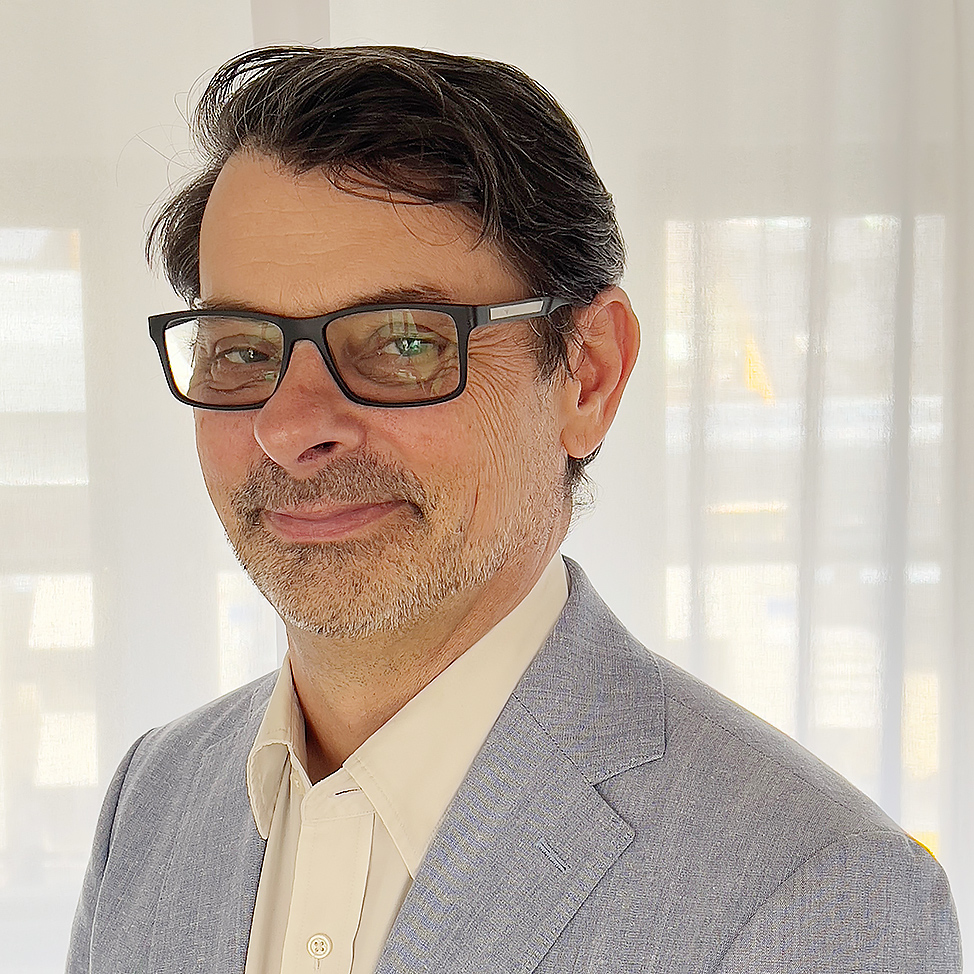
How do those defining moments of insight arise—the ones that truly change how we lead ourselves and others? In this blog post, Eric Kearley, who completed The Coach Training Program with us, shares one such experience—a “light-up moment” that left a lasting impact.
This article was originally published on the AIMS International Sweden website and captures the essence of coaching at its best: when new perspectives emerge and something shifts—genuinely and deeply.
Below, you can read Eric’s own story:
There’s a moment I’ve come to recognise in coaching conversations. A business leader sits across from me, tangled in a dilemma that feels impossible to navigate. Their shoulders are tense, their sentences looping. And then it happens. A new angle appears, not because I offered a solution, but because they suddenly hear something in their own words that had been hidden beneath pressure or assumptions. They see a path forward they fully own, something practical and completely doable within a short space of time.
That moment is the reason I’m becoming a certified executive coach. Not to add another service line for the sake of it, but to understand how to create these breakthroughs deliberately and ethically, using a solid methodology.
Why This Matters Now
Leadership has always been demanding, but the expectations today are broader than ever. Leaders are navigating hybrid cultures, rising complexity and relentless change. All of this increasingly affects the emotional climate of their organisations. I recently spoke to a global company that are see interpersonal relationships and creativity as the priorities for their management, as AI takes over more and more daily operational tasks. This creates very high and new demands for leaders.
This is where coaching has proven to be so effective.
The International Coaching Federation (ICF) reports globally significant increases in confidence, performance and wellbeing among coached leaders. A major meta-review in Frontiers in Psychology found strong positive effects specifically on behavior change, resilience and self-efficacy. Essential capacities for modern leadership and even more so with the growth of AI in the workplace. There is consistent evidence of how coaching improves goal attainment and cognitive flexibility.
I have read the research, practiced and seen the results reflected in real leaders. This combination has convinced me that executive coaching is far more than a technique. It’s a way of creating space for leaders to think clearly again, in a world where there seems to be less and less such space available.
Because I’ve spent so many years mentoring executives, this is the question I hear most often. The simplest way to frame it is this: Mentoring is experience-based. It’s when I offer perspectives from my own background and knowledge. This can be valuable of course, but strictly speaking it is not coaching.
Coaching is inquiry-based. My role is not to advise, facilitate so that leaders access their own insights and clarity. The agenda is theirs. The ownership is theirs. The action comes from them. This is what creates the lasting clarity I have described. Coaching supports sustainable leadership, because when actions come from the leader themselves, they are far more likely to stick.
What continues to surprise me is how powerful it is to simply give leaders something they rarely experience: a space where someone who has been in their position listens fully, without rushing, without assuming, without solving, but challenging and supportin at the same time.
Many leaders are surrounded by advice. Very few are surrounded by questions
And it’s often the smallest, most personal insight they discover that unlocks movement. The “light-up moment” isn’t magic. It’s clarity. It’s rediscovering their own competence after it has been buried under competing demands.
Coaching Fits With My Work With AIMS International Sweden
This coaching journey doesn’t replace anything I already do, but it strengthens all of it.
In Executive Search, coaching helps leaders land well and build momentum in their early months. In Management Consulting, it helps turn strategy into real behavioral change. In mentoring, it deepens the reflection, helping leaders not only use my experience but convert it into actions that fit their own strengths and context.
As I move through my diploma, I’m not chasing a title. I’m strengthening a craft. A craft built on respect for leaders’ own intelligence and resourcefulness.
If the “light-up moment” makes for a dramatic start, the real impact of coaching is quieter and longer-term. It shows when leaders walk back into their organisation with clearer thinking, renewed confidence, and a decision they’re ready to act on.
That’s the work I’m excited to deepen. One conversation at a time.
Eric Kearley is an operator-turned-advisor who builds leadership teams and leaders. He is as comfortable in the boardroom as he is in the trenches. He focuses on leadership services: executive & business coaching, executive search (AIMS International Sweden), advisory, and management consulting. eric@aimsinternational.se, +46709453233